

June is Bowel Cancer Awareness Month
June is Bowel Cancer Awareness Month!
June is Bowel Cancer Awareness Month, a Bowel Cancer Australia initiative raising awareness of Australia's second deadliest cancer and funds for the leading community-funded charity dedicated to championing what matters most to people impacted by bowel cancer and empowering everyone affected to live their best life.
What is bowel cancer?
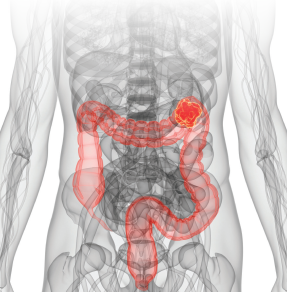
Bowel cancer, also known as colorectal cancer, can affect any part of the colon or rectum; it may also be referred to as colon cancer or rectal cancer, depending on where the cancer is located.
Most bowel cancers start as benign, non-threatening growths - called polyps - on the wall or lining of the bowel. Polyps are usually harmless; however, adenomatous polyps can become cancerous (malignant) and if left undetected, can develop into a cancerous tumour. In advanced cases, the cancerous tumour can spread (metastasise) beyond the bowel to other organ.
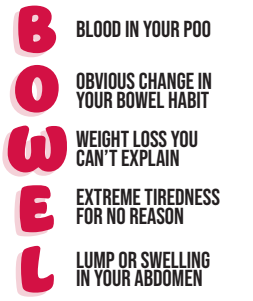
Bowel cancer symptoms
It is important to recognise possible bowel cancer symptoms and have them investigated if they persist.
Not everyone who experiences these symptoms has bowel cancer. Other medical conditions, and some foods or medicines can also cause these changes.
However, if you are experiencing any of the symptoms below for more than two weeks, don’t delay in talking to your GP about them.
Symptoms suggestive of bowel cancer require timely investigation via colonoscopy.
Whatever your age, you should never be told by your GP that you are too young to have bowel cancer.
Bowel cancer screening
For people at average risk of bowel cancer and without symptoms, Australian medical guidelines recommend screening using a faecal immunochemical test (FIT) every 2 years between ages 45-74.
The guidelines state a healthcare professional could consider offering a faecal immunochemical test every 2 years to people aged 40-44 who request screening, after being fully informed of the benefits and potential harms of testing.
Similarly, the guidelines state a healthcare professional could consider offering a faecal immunochemical test every 2 years to people aged 75-85 who are fit, well and healthy and request screening, after being fully informed of the benefits and potential harms of testing.
Screening involves collecting small samples of poo or toilet water and mailing them to a pathology laboratory. Following the analysis, the results are sent to you and your GP.
A positive result means non-visible blood has been detected in the samples. It does not necessarily indicate bowel cancer but it does require further investigation. You should be referred for a colonoscopy within 30 days by your GP.
A negative result means non-visible blood has not been detected in the samples,
however it does not mean you do not have or will never develop bowel cancer. The test should be repeated every 2 years.

How common is bowel cancer?
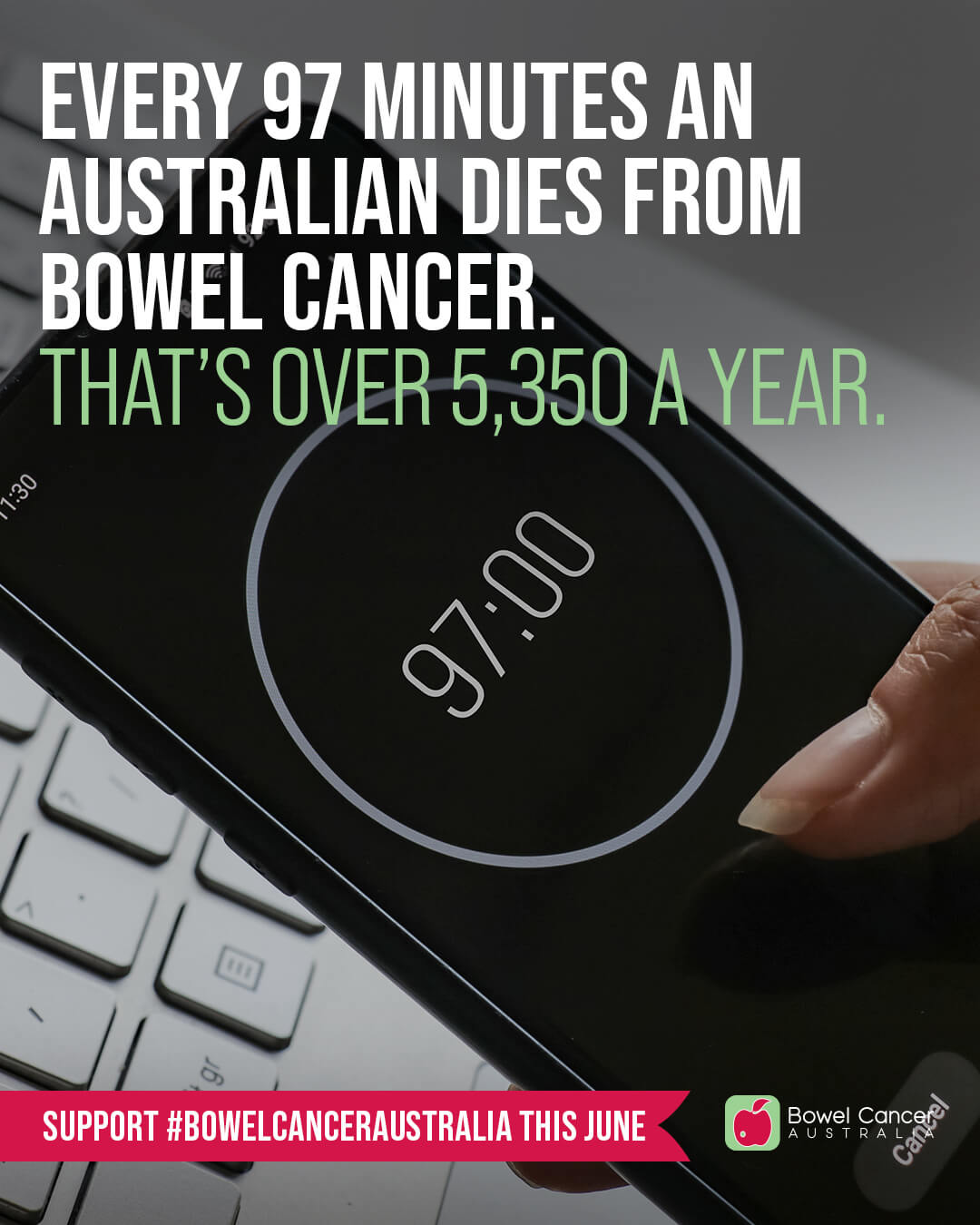
• Bowel cancer is Australia’s second deadliest cancer.
• Over 15,000 people are diagnosed with bowel cancer each year. 1-in-9 new cases now occur in people under the age of 50.
We thank Bowel Cancer Australia for all of the above information & additional resources available on their website.